Mexican authorities have seized roughly 300 mining machines at a suspected crypto setup in Puebla, but the public evidence stops well short of proving cartel control or confirmed money laundering.
- Roughly 300 mining units seized in Tlaola, Puebla
- Investigators are probing electricity theft near hydroelectric infrastructure
- No cartel, wallet, or arrest has been publicly confirmed
- The hardware suggests industrial-scale mining, but the ownership trail is still thin
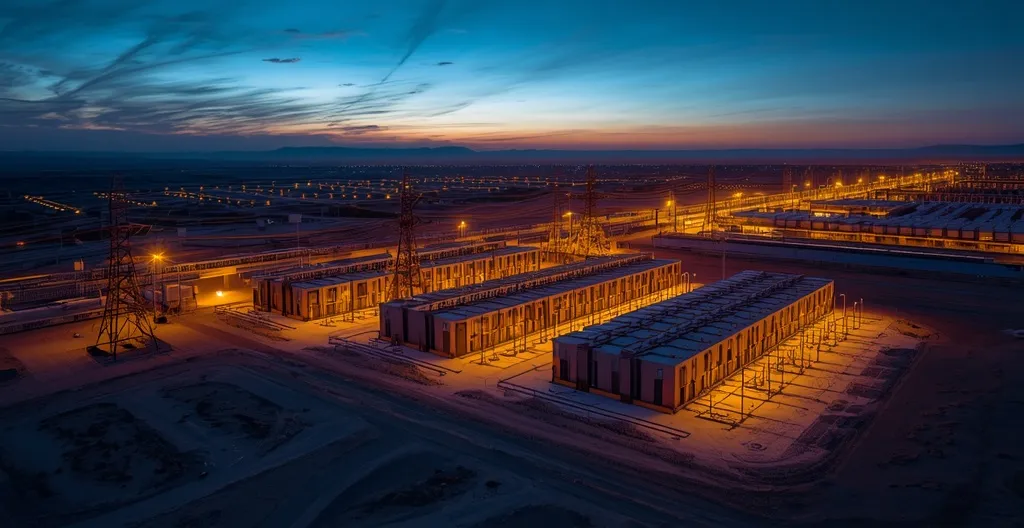
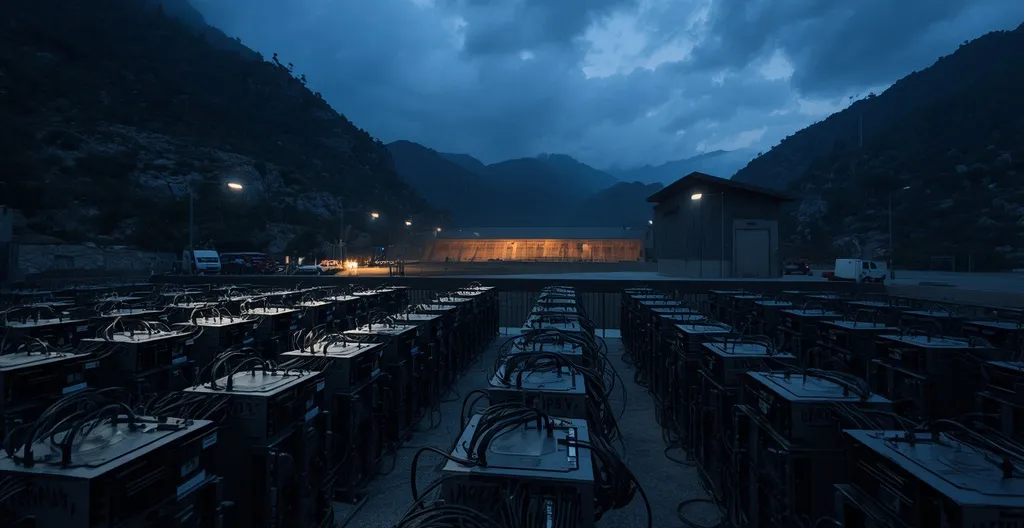
The operation was found in the mountainous municipality of Tlaola, near infrastructure tied to the Nuevo Necaxa hydroelectric system. Reuters reported on Sept. 12 that authorities found about 80 medium-voltage terminals, eight satellite antennas, a pedestal transformer, and around 300 specialized computers operating inside the building. Hidden crypto farm in Mexican mountains puts spotlight on
That is not a casual home-mining setup. It looks like the sort of infrastructure you build when you expect serious power draw, constant uptime, and enough connectivity gear to keep the machines online in a remote area.
Personnel from Mexico’s Attorney General’s Office, the Mexican Navy, and Puebla’s Public Security Secretariat secured the property. Puebla security chief Francisco Sánchez González said officials were alerted by the site’s electricity demand, operating noise, and isolated location.
Residents told Reuters the noise could be heard from one kilometer away, while the building sat roughly two kilometers from the nearest village. For something meant to stay hidden, it was not exactly whisper-quiet.
The key question now is whether the farm was drawing electricity without authorization from infrastructure near the hydroelectric dam. That is the core of the case, and it matters more than the crypto branding slapped on top of it. Mexico Investigates Electricity Theft Linked to Crypto
Crypto mining is not prohibited in Mexico. Electricity theft is another matter entirely.
If investigators confirm an illegal connection, the economics of the operation change fast. Mining machines run around the clock and need cooling, and power is usually one of the biggest expenses. If that power was stolen, the business model gets a lot uglier and a lot more criminal.
Samuel Leon, an energy-theft specialist at Mexico’s Iberoamericana University, summed it up plainly:
“If they were stealing the electricity, the main costs of the operation would be, well, nothing, ”
Authorities have not publicly identified the cryptocurrency being mined, any wallet addresses, the mining pool, the software, when the site began operating, or whether any arrests or charges have been made. Those blanks matter. Without them, nobody has a blockchain smoking gun, just a large, suspicious pile of hardware and a very loud electricity bill. Bitcoin
That is also why the cartel speculation should be handled carefully.
Mexico-based security analyst David Saucedo told Reuters, “Drug cartels appear to have reached a new level of sophistication, ” but that remains an assessment, not proof. It may well be true that organized crime groups are getting more creative and infrastructure-heavy. It is also true that a suspicious mining site is not automatically a cartel site. Evidence still has to do the heavy lifting.
Chainalysis Latin America specialist Caio Motta made a similar point, saying such operations may be placed where criminals can steal electricity and build large infrastructure to mine cryptocurrency. That explains why remote industrial-looking sites keep popping up in places like this. It does not, on its own, identify who ran this one.
For now, the public record points to an investigation into power theft and possible money laundering, not a proven organized-crime prosecution. Mexico’s Attorney General’s Office declined Reuters’ request for further comment because the case remains active. The Federal Electricity Commission has also not publicly confirmed the alleged illegal connection. Mexico Uncovers Illegal Crypto Mining Farm Linked to
There is, however, a wider pattern here. Reuters said this was the fourth comparable mining operation found in the region since early 2025. Other reporting has also described multiple illegal mining centers dismantled in Puebla and neighboring Tlaxcala during 2025. Either way, this does not look like a one-off oddity in the hills.
Mexico already has a serious electricity theft problem. Federal Electricity Commission figures cited by El País recorded 6, 346 gigawatt-hours of nontechnical losses between January and July 2024, worth 13.8 billion pesos. Nontechnical losses are the ugly stuff: theft, meter tampering, and illegal connections, not normal grid inefficiency. Mexico seizes 300 GPUs at suspected illicit crypto farm
In plain English, that means stolen power is a real and costly problem, and everyone else ends up paying for part of it.
Crypto mining is a convenient cover for this kind of abuse because the power demand is obvious once you know what to look for, but the hardware alone does not prove what happened. Public blockchains are traceable, yet tracing only helps if investigators can connect the machines to wallets, exchange records, device logs, or other real-world evidence. Without that bridge, on-chain certainty remains out of reach.
Broader crypto crime data from Chainalysis helps explain why investigators stay alert without turning every suspicious setup into a grand conspiracy. The firm said addresses identified as illicit received at least $154 billion during 2025, up from roughly $59 billion in 2024. Chainalysis also said value received by sanctioned services and jurisdictions rose 694%, and that stablecoins represented 84% of the illicit transaction volume it measured.
That sounds grim, and it is. But Chainalysis also said known illicit activity still represented less than 1% of total cryptocurrency transaction volume. So yes, criminals use crypto. They also use banks, shell companies, prepaid cards, and whatever else helps them move value without tripping alarms. Crypto is not the whole problem; it is one tool among many.
The Puebla seizure fits a pattern seen in other countries too: power theft plus hidden mining infrastructure. The common thread is not that crypto itself is some magical criminal machine. It is that mining can be used as a hungry, noisy front for stealing electricity and hiding operations where scrutiny is weaker. Mexico seizes 300 GPUs at suspected illicit crypto farm
For now, the cleanest read is simple: Mexican authorities found a large suspected mining setup in Puebla and are investigating whether it was stealing electricity from hydroelectric infrastructure and possibly laundering proceeds. That is serious enough without stapling a cartel script onto it before the evidence does.
The crypto machines are just the shiny, noisy evidence left behind. Thai Police Seize 996 Bitcoin Miners in Chonburi, Crack
Key questions and takeaways
-
What did authorities seize?
Roughly 300 mining units, along with electrical and communications equipment, were secured at the site in Tlaola, Puebla. -
Is electricity theft confirmed?
Not publicly. Investigators are examining whether the site drew power without authorization, but the Federal Electricity Commission and prosecutors have not confirmed an illegal connection. -
Has a cartel been named?
No. Analysts have raised the possibility of organized crime involvement, but no agency has publicly identified a cartel or criminal group. -
Do investigators know which coin was mined?
No. The cryptocurrency, wallet addresses, mining pool, and software have not been disclosed. -
Why does this case matter?
It shows how crypto mining can be used as a cover for electricity theft and hidden infrastructure abuse. It also shows why proof matters before turning suspicion into a cartel headline.
Further Reading
Related cases from Southeast Asia show how often mining crackdowns start with power theft before the rest of the facts come into focus.