Malaysia has seized 75, 578 crypto mining machines in 3, 049 raids since 2022, with 629 arrests to show for it. The message is simple: Bitcoin may be legal, but stealing electricity is not.
- 75, 578 mining machines seized in 3, 049 raids
- 629 arrests tied to illegal power use
- The fight is over electricity theft, not crypto ownership
- Legal grid access is becoming a prized asset in the U.S.
The numbers were given in parliament by Deputy Home Minister Shamsul Anuar, and they point to a stubborn reality: crypto mining is often less about ideology than about cheap electrons. Malaysia’s crackdown targets meter tampering, illegal hookups, bypassed connections, and unlicensed facilities draining power from the grid. Crypto ownership and trading remain legal under Securities Commission oversight.
That distinction matters. This is not a blanket ban on Bitcoin miners. It is a utility-fraud campaign, and a pretty aggressive one at that.
According to Malaysia’s energy ministry, roughly $1.1 billion in power losses were linked to about 14, 000 illegal mining sites over five years. TNB, the national utility, has also said illegal Bitcoin miners steal RM700m in power annually. Those are not cute little side hustles. That is a serious drain on the grid, and on everyone else who actually pays the bill.
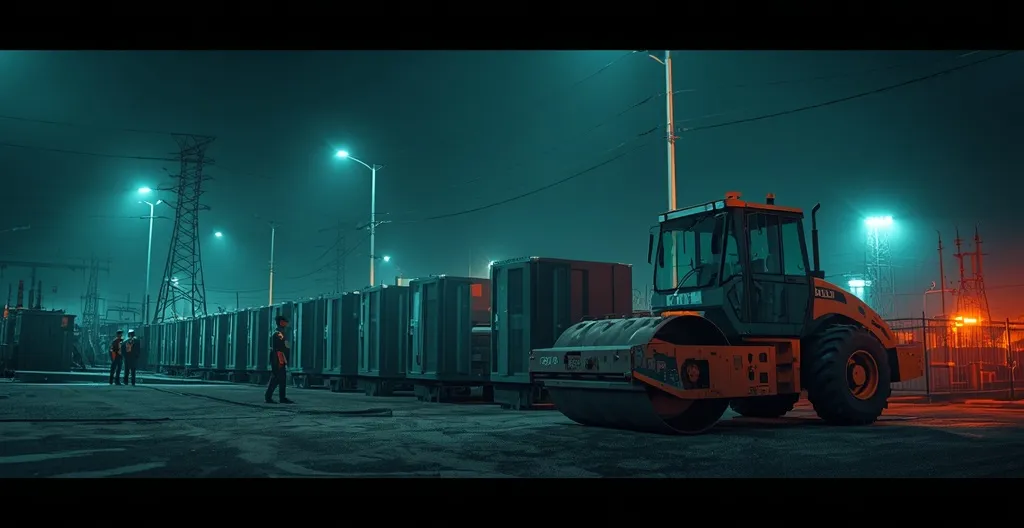
Authorities have made the point very publicly. Seized rigs are lined up and destroyed with a steamroller, which is both a deterrent and a warning shot. Symbolism is doing a lot of work there, but the economics are doing more.
The hard truth is that crushing hardware does not kill the incentive. ASICs, the specialized machines used for Bitcoin mining, are expensive assets, not disposable trash. They can be moved, resold, or replaced. If the electricity remains subsidized, poorly metered, or easy to steal, the basic math still works for bad actors. You can flatten the box, but you haven’t changed the reason it existed in the first place.
Malaysia has started to respond with a broader enforcement model. Police and Tenaga Nasional Berhad are not the only players anymore. The country has also pulled in finance authorities and Bank Negara, the central bank, to make the crackdown more intelligence-led. That’s the right direction. Raiding rigs alone is whack-a-mole with a badge.
Even so, the limits of enforcement are obvious. Subsidized tariffs, weak metering, and loose oversight can make theft financially attractive. Bitcoin mining is an energy arbitrage business at its core: miners try to turn electricity into hashes, and hashes into money. When the power is cheap enough, legal or not, the rigs follow. When it is stolen, the margins get even fatter, which is exactly why this keeps happening.
That is why the “grid war” framing is not just a catchy headline. It describes a real competition over scarce power, land, substations, and legal access to the grid. Governments want reliable electricity for households and industry. Utilities want to stop leakage. Miners want the cheapest power they can get. AI companies want the same thing, just with better branding and more funding.
The contrast with the United States is sharp. CleanSpark signed a 20-year triple-net lease with an investment-grade technology tenant for an AI data center campus in Georgia. Secondary reporting described the deal as $6.6 billion in contracted revenue, or $11.6 billion with extensions. The same kind of power footprint that gets steamrolled in Malaysia can become a long-term revenue asset in a market where the grid connection is legal and monetizable.
That is the real lesson here: a legal power hookup is becoming one of the most valuable assets in the digital economy. In one jurisdiction, a rig farm is evidence of theft. In another, power infrastructure is a balance-sheet weapon. Same hardware, same hunger, very different outcome.
Bitcoin mining follows the cheapest available electrons. That is not a slogan; it is the whole game. Miners are not loyal to countries, flags, or press releases. They are loyal to margins. If one place shuts the door, they move to another with weaker enforcement, distorted tariffs, or surplus power waiting to be monetized. That is why crackdowns often displace illegal mining instead of ending it.
There is also a broader policy question hiding under all the steamroller theater. If a country’s power pricing is broken, mining will keep finding a way in. If electricity is subsidized without tight controls, theft becomes a rational business decision for the crook with the best spreadsheet. Enforcement matters, but it is not a substitute for pricing reform, better metering, and a grid that can actually tell who is using what.
That is the part that gets lost in a lot of anti-mining noise. Mining itself is not the crime. Stealing power is. And the difference between the two is not a moral essay; it is a meter, a contract, and a bill.
Key takeaways
-
What is Malaysia really cracking down on?
Illegal electricity theft tied to mining operations, not legal crypto ownership or trading. -
Why are the seizures so large?
Because the financial incentive is strong when electricity is cheap, subsidized, or stolen, and the hardware is easy to move. -
Does destroying the rigs solve the problem?
Not by itself. It can deter some operators, but it does not remove the economic logic unless the power problem is fixed too. -
Why does the U.S. example matter?
It shows how legal grid access can be turned into a real asset, especially as AI data centers and miners compete for the same power infrastructure. -
What is the real battle here?
Control over electrons, who gets to buy them, steal them, or turn them into long-term cash flow.
“They will run wherever the electrons are cheapest.”
That line is doing the heavy lifting here, and it is basically correct. Bitcoin mining is portable, ruthless, and allergic to expensive power. Malaysia is trying to stop the theft. U.S. miners are trying to monetize lawful access. The machines keep humming either way.
So yes, the steamrollers make for great footage. But the real story is simpler and less theatrical: subsidize power, and bad actors will game it; legalize and monetize access, and power turns into an asset instead of a liability. The grid decides who wins.
Further reading
A few related pieces worth having on hand for the power-theft, mining, and grid-war angle.
- Malaysia's Battle Against Illegal Crypto Mining and
- Malaysia power-loss report via Yahoo Finance
- CleanSpark’s 20-Year Data Center Lease Details
- Bitcoin Miners Hunted After Stealing $1 Billion of Power
- Malaysia’s Chip Tariff Clash with U.S. Threatens Bitcoin Mining
- Malaysia Battles US Tariffs: Trump Duties Threaten Bitcoin Mining Costs
- Thai Police Seize 996 Bitcoin Miners in Chonburi Crackdown