
DigiCon 2026’s second day put electric-vehicle adoption, digital payments and human-AI collaboration under one practical question: how can technology make everyday experiences easier without asking people to trust it blindly?
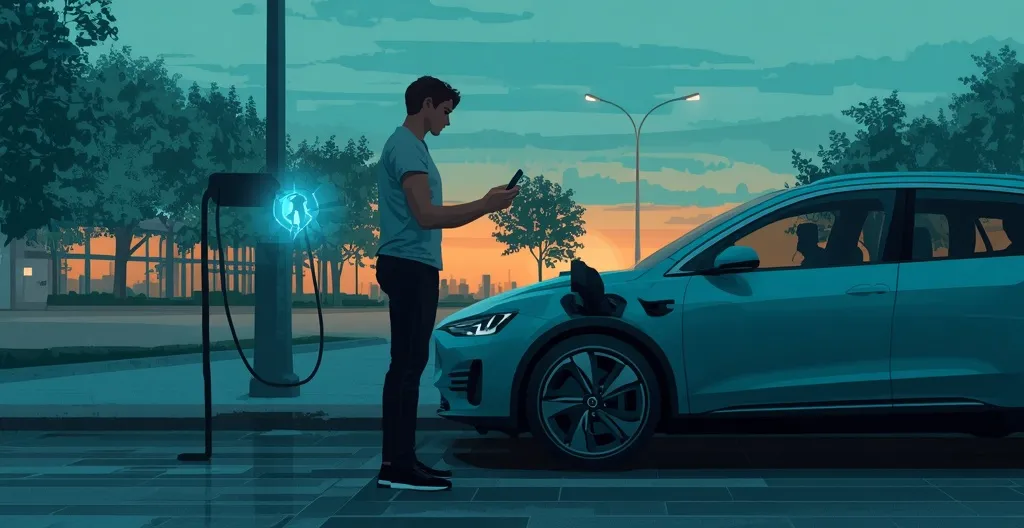
- AC Mobility’s Carla Buencamino said mobility needs to turn EV awareness into consumer confidence.
- Finance panels drew a line between needless obstacles and security checks that protect customers.
- Edelman’s Judy John argued that human and machine intelligence should strengthen one another.
Day 2 moved from access to AI and interoperability toward collaboration, finance and experiences that connect the physical and digital worlds. Convenience mattered across the sessions, but so did reliability, security and the people expected to use the technology.
Making mobility feel less daunting
Carla Buencamino, Head of AC Mobility, used the term “phygital” to describe experiences that combine physical and digital elements. In mobility, she said, the goal is to remove friction, not add technology for its own sake.
Buencamino said misconceptions were making some consumers hesitant about switching to electric vehicles, though she did not specify which ones. The challenge, she said, is moving people from knowing about EVs to feeling confident enough to act. The Philippines EV market offers one lens on that adoption challenge:
“To us, the challenge is how do we turn awareness into confidence? How do we train confidence into action?”
That distinction matters. Awareness can introduce a product, but confidence depends on whether people believe it will work for them. A polished digital experience may help, but it cannot replace trust in the service itself.
Payments: remove the dead ends, keep the safeguards
At a finance panel moderated by Jonathan Ravelas, Wanda Pascua, Denise Haak and Aya Montebon discussed how digital services can become more integrated into customers’ lives. Pascua highlighted education and simpler processes as ways to build trust. Montebon said speed and security should be baseline expectations, while Haak called for seamless payments backed by fraud monitoring and authentication.
Haak said payments can make or break everyday activities, from grocery shopping to planning a family vacation. The goal, she said, is a payment experience that is “not just seamless, but absolutely secure.” That phrase captures what customers want, but it is not a guarantee that any payment system can eliminate risk. New approaches, such as a state-backed stablecoin, also put the promise of digital payments to the test.
A second finance panel, moderated by Haak and featuring Miguel Ramos, Aaron Jon “AJ” Atienza and Manny Nepomuceno, explored the difference between meaningless friction and purposeful friction. Meaningless friction comes from poor integration or organizational design. Customers may have to repeat steps because systems do not work well together. Purposeful friction means deliberate checks designed to reduce the risk of harm. Security teams’ thinking about blockchain immutability offers one example of how safeguards can raise questions about protection and accountability.
Ramos, president of IPV Network, compared good security to a seatbelt:
“Good security is like a seatbelt. It is there always, but the moment that you need it, you have to feel that it is going to protect you from danger.”
The comparison gets at the balance. Security measures should be dependable and easy to understand, not just extra clicks dressed up as protection. Safeguards can reduce risk, but they cannot guarantee fraud will never happen. Better fraud detection can help, but it will not catch every scam.
Human and machine intelligence, working together
Judy John, Edelman’s Global Chief Creative Officer, argued that collaboration should start while ideas are being created, not just when they are ready to be executed. She described interoperability as different forms of human and machine intelligence making one another more capable:
“Interoperability, which is a really hard word to say, is when different kinds of intelligence don’t simply coexist. They make each other more powerful.”
John pointed to Vaseline Verified, a campaign in which the brand tested product “hacks” posted by users and told the public which ones did not work. The campaign showed how a company can respond to community ideas with testing and candor instead of treating every viral tip as sound advice.
John’s broader point was that human difference still matters as AI tools become more capable. Automation can help people do more, but it cannot decide on its own which problems deserve attention or what makes a solution worthwhile.
“Don’t create ideas people consume. Create ideas that people can become a part of.”
“In the age of AI, human collaboration is our advantage.”
Key questions about DigiCon Day 2
-
What does “phygital” mean?
It means combining physical and digital experiences. Buencamino applied the idea to mobility, where connected experiences can help reduce friction for consumers.
-
Should payment services remove every extra step?
No. Panelists distinguished obstacles caused by poor integration from deliberate checks designed to protect customers. The goal is to remove the former without discarding the latter.
-
What did Judy John mean by interoperability?
She described it as different kinds of intelligence, human or machine, strengthening one another rather than simply operating side by side.
The sessions shared a clear idea: technology should not disappear at any cost. It should work smoothly enough to stay out of the way while earning trust through security, reliability and meaningful human participation.